US warships have ‘fled’ Strait of Hormuz – IRGC
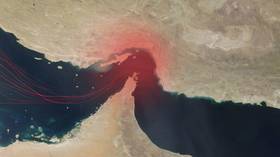
Iran has forced the US fleet to retreat more than 1,000 km from its borders, leaving no American warships in the Strait of Hormuz or surrounding waters, a senior Islamic Revolutionary Guard Corps (IRGC) commander claims.
Rear Admiral Ali Fadavi made the remarks in a televised interview, Iran’s Press TV reported on Monday, amid competing claims by Washington and Tehran over control of the critical shipping route, through which around one-fifth of global oil and natural gas supplies passed before the conflict.
“The Americans fled and moved more than 1,000 km away from our borders. This was not their choice; it was due to the authority of the Islamic Republic and the authority of the IRGC Ground Force,” he said.
Fadavi claimed that no US vessels remain in the Persian Gulf, Strait of Hormuz, Sea of Oman, or northern Indian Ocean, and described US warships as “100 percent vulnerable” to Iranian attacks.
He insisted that the strait remains under Iranian control and warned that ships using the US-supervised southern route could be targeted.
On Monday, the UK Maritime Trade Operations agency reported that a tanker near Oman complied with an IRGC instruction to turn back or risk attack.
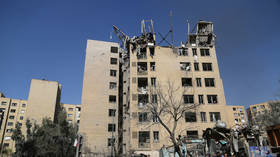
The US, meanwhile, continues to enforce its naval blockade of Iranian ports. US Central Command said last week that it redirected 125 commercial vessels since July to ensure compliance.
The standoff has persisted despite indirect negotiations. Iranian Parliament speaker Mohammad Bagher Ghalibaf said on Sunday that Hormuz would not reopen until Washington accepts Tehran’s conditions.
Iran’s seven-day proposal offers to restore passage and resume nuclear negotiations in exchange for lifting the blockade, easing restrictions on Iranian oil exports, and releasing frozen assets.
US President Donald Trump rejected the terms and threatened to “annihilate” Iran if talks fail. Axios and the Wall Street Journal report that major US combat operations could resume after the midterm election in November.
Foreign Minister Abbas Araghchi said on Sunday that Iran is committed to diplomacy but is ready to defend against another attack.